1. Introduction to Ayurvedic Kadha for Cold and Cough
Cold and cough remain among the most common health problems people experience throughout the year. Seasonal changes, pollution, weakened immunity, and viral infections often trigger these respiratory issues. While modern medicines can provide temporary relief, many people now prefer natural remedies that strengthen the body without causing harmful side effects. One such powerful remedy is Ayurvedic Kadha.
Ayurvedic Kadha is a traditional herbal drink prepared using natural herbs and spices known for their medicinal properties. For centuries, Ayurveda has recommended this herbal decoction to treat respiratory infections, boost immunity, and restore internal balance. In fact, ancient Ayurvedic texts describe Kadha as a powerful formulation that helps the body fight pathogens naturally.
Unlike chemical-based medicines, Ayurvedic Kadha works holistically. Instead of suppressing symptoms temporarily, it addresses the root causes of illness. The herbs used in Kadha reduce inflammation, clear mucus from the respiratory tract, and strengthen the immune system. As a result, the body recovers faster and becomes more resistant to future infections.
Furthermore, Ayurvedic Kadha plays an important role in detoxification. Toxins often accumulate in the body due to unhealthy food habits, pollution, and stress. These toxins weaken the immune system and increase susceptibility to illnesses. However, the herbal ingredients used in Kadha help remove toxins and support natural healing processes.
Another advantage of Ayurvedic Kadha lies in its accessibility. Most of the ingredients required for preparing Kadha are easily available in Indian kitchens. Spices such as ginger, turmeric, black pepper, cinnamon, and tulsi have powerful medicinal properties that support respiratory health.
In this article, we will explore everything about Ayurvedic Kadha for cold and cough, including its ingredients, preparation methods, health benefits, and proper usage. By understanding this powerful herbal remedy, you can naturally protect yourself from respiratory illnesses and improve your overall well-being.
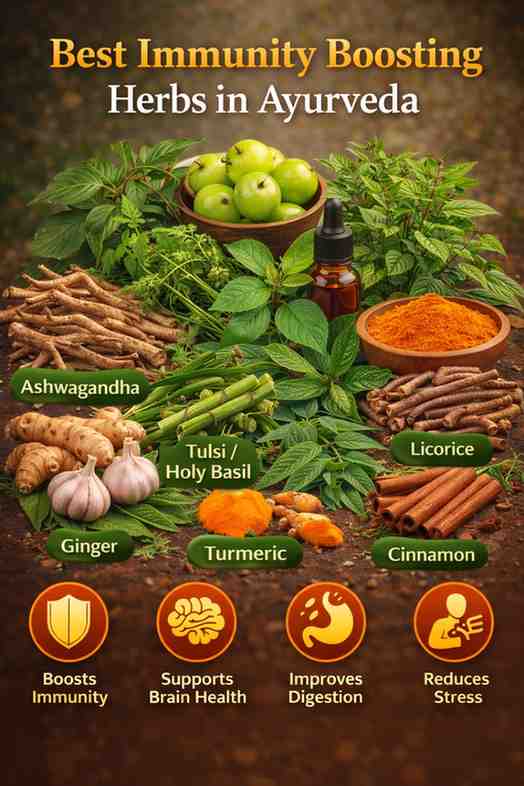
Also Read :- Best Immunity Boosting Herbs in Ayurveda
2. Understanding Cold and Cough in Ayurveda
To fully appreciate the effectiveness of Ayurvedic Kadha, it is important to understand how Ayurveda explains cold and cough. Unlike modern medicine, Ayurveda focuses on the balance of internal energies within the body.
According to Ayurvedic philosophy, the human body functions through three fundamental energies known as Vata, Pitta, and Kapha doshas. These doshas regulate every physiological and metabolic process within the body. When these energies remain balanced, the body maintains good health and strong immunity.
However, environmental changes, poor diet, stress, and lifestyle habits can disturb this delicate balance. When Kapha dosha increases excessively, the body produces excess mucus. This imbalance leads to symptoms such as congestion, cough, throat irritation, and breathing difficulty.
Cold and cough mainly result from Kapha imbalance combined with weakened digestive fire (Agni). When digestion becomes weak, toxins known as Ama accumulate in the body. These toxins block bodily channels and reduce the efficiency of the immune system.
As a result, the respiratory tract becomes vulnerable to infections caused by viruses, bacteria, and allergens. Symptoms such as sneezing, nasal congestion, sore throat, and coughing begin to appear.
Ayurveda focuses on restoring internal balance rather than simply suppressing symptoms. Therefore, treatments aim to reduce Kapha accumulation, improve digestion, and eliminate toxins from the body.
This is where Ayurvedic Kadha becomes extremely effective. The herbs and spices used in Kadha possess warming, detoxifying, and Kapha-balancing properties. These ingredients help dissolve excess mucus, stimulate digestion, and improve circulation.
For example, ginger and black pepper generate internal heat that reduces congestion and improves respiratory function. Similarly, tulsi acts as a natural antimicrobial herb that fights infections and strengthens immunity.
Also Read :- Ashwagandha Benefits, Uses & Side Effects
3. What is Ayurvedic Kadha?
Ayurvedic Kadha is a traditional herbal decoction prepared by boiling medicinal herbs and spices in water. The boiling process extracts the active compounds from the herbs, making them easier for the body to absorb.
In Ayurveda, Kadha belongs to a preparation method known as Kwath. This method involves simmering herbs slowly until the water reduces and concentrates the medicinal properties.
Unlike herbal teas, Kadha is more potent because it contains stronger concentrations of therapeutic compounds. Ayurvedic practitioners often recommend Kadha to treat respiratory infections, digestive issues, fever, and immune weakness.
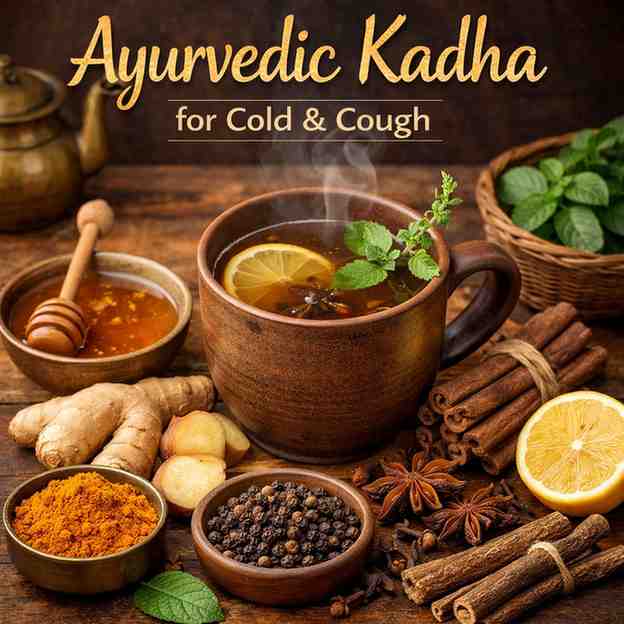
The ingredients used in Kadha usually include herbs and spices with strong antibacterial, antiviral, and anti-inflammatory properties. Some of the most common ingredients include:
- Tulsi (Holy Basil)
- Ginger
- Black Pepper
- Turmeric
- Cinnamon
- Cloves
- Mulethi (Licorice)
- Giloy
Each ingredient contributes unique health benefits. For instance, tulsi strengthens the immune system and fights respiratory infections. Ginger reduces inflammation and improves digestion. Black pepper enhances the absorption of medicinal compounds.
When these herbs combine together, they create a powerful synergy that strengthens the body’s natural defense system.
Ayurvedic Kadha works through several mechanisms. First, it helps break down and remove excess mucus from the respiratory tract. This action provides relief from congestion and coughing.
Second, Kadha stimulates digestion and metabolism. Strong digestion prevents toxin accumulation and improves immune responses.
Third, Kadha contains natural antioxidants that protect cells from oxidative stress. These antioxidants help the body fight infections more effectively.
Additionally, the warming nature of Kadha improves blood circulation and supports detoxification processes. Sweating and improved metabolism help the body eliminate toxins and pathogens.
People typically consume Kadha warm because warm liquids soothe the throat and respiratory passages. Many Ayurvedic practitioners recommend drinking Kadha during seasonal transitions when respiratory infections become more common.
Also Read :- Giloy Benefits for Immunity
4. Key Ingredients Used in Ayurvedic Kadha
The effectiveness of Ayurvedic Kadha largely depends on the herbs and spices used in its preparation. These ingredients possess powerful medicinal properties that help treat respiratory infections and strengthen immunity.
One of the most important ingredients is Tulsi (Holy Basil). Tulsi acts as a powerful antimicrobial herb that fights bacteria, viruses, and fungi. It also helps reduce inflammation in the respiratory tract and improves breathing.
Another essential ingredient is Ginger. Ginger contains active compounds called gingerols that reduce inflammation and improve digestion. Because strong digestion supports immunity, ginger plays a vital role in the healing process.
Black Pepper is another key component of Ayurvedic Kadha. It contains piperine, which enhances the absorption of other herbal compounds. Additionally, black pepper helps clear mucus from the respiratory system and improves circulation.
Turmeric also plays an important role in Kadha. The active compound curcumin possesses strong anti-inflammatory and antioxidant properties. Turmeric helps fight infections and supports immune responses.
Cinnamon adds both flavor and medicinal value to Kadha. It improves circulation, regulates blood sugar levels, and provides antimicrobial benefits that help fight infections.
Cloves contain eugenol, a compound known for its antibacterial and pain-relieving properties. Cloves help soothe sore throat and reduce coughing.
Another valuable herb used in Kadha is Mulethi (Licorice). Mulethi helps soothe throat irritation, reduce inflammation, and protect respiratory tissues.
Some Kadha formulations also include Giloy, a powerful immunity-boosting herb known for its detoxifying and anti-inflammatory properties.
Together, these ingredients create a powerful herbal combination that supports respiratory health and strengthens immunity naturally.
5. Health Benefits of Ayurvedic Kadha for Cold and Cough
Ayurvedic Kadha offers numerous health benefits beyond simply relieving cold and cough symptoms. Because it contains powerful medicinal herbs, it supports multiple bodily systems simultaneously.
One of the most important benefits involves strengthening the immune system. The herbs used in Kadha stimulate immune cell activity and help the body fight infections more effectively.
Furthermore, Kadha helps reduce mucus accumulation in the respiratory tract. Excess mucus often causes nasal congestion, throat irritation, and coughing. The warming spices in Kadha help break down mucus and clear the airways.
Another major benefit involves relieving sore throat and cough. Ingredients such as mulethi, ginger, and cloves soothe throat tissues and reduce irritation.
Additionally, Ayurvedic Kadha contains strong antiviral and antibacterial properties. These properties help the body eliminate pathogens responsible for respiratory infections.
Kadha also supports detoxification by stimulating metabolism and improving digestion. Proper digestion prevents toxin accumulation and enhances immune responses.
Moreover, the antioxidants present in Kadha protect body cells from oxidative stress and strengthen overall health.
Another advantage of Kadha involves improving circulation. Better blood flow ensures that immune cells reach infected areas quickly and efficiently.
Finally, regular consumption of Kadha helps prevent seasonal infections by strengthening the body’s natural defense mechanisms.
Because of these numerous benefits, Ayurvedic Kadha remains one of the most effective natural remedies for managing cold and cough.
6. How to Prepare Ayurvedic Kadha at Home
Simple Method to Make Kadha
Preparing Ayurvedic Kadha at home is easy. Most ingredients are already available in Indian kitchens. Fresh herbs and common spices provide strong medicinal benefits.
To prepare Kadha, start by selecting fresh ingredients such as tulsi leaves, ginger, black pepper, and turmeric. These herbs contain natural compounds that help reduce inflammation and improve immunity.
First, take two cups of water in a pan. Add crushed ginger, a few tulsi leaves, black pepper, and a small piece of cinnamon. You may also add turmeric for extra health benefits.
Now heat the mixture on medium flame. Let the water boil slowly for about 10–15 minutes. During this time, the water absorbs the medicinal compounds from the herbs.
When the water reduces to half, turn off the flame and strain the liquid. The herbal drink you get is Ayurvedic Kadha.
Tips for Making Effective Kadha
Using fresh ingredients improves the effectiveness of Kadha. Fresh herbs contain higher levels of active compounds compared to dried herbs.
Another important tip is to crush the spices slightly before boiling them. Crushing helps release the natural oils present in the herbs. These oils contain many healing properties.
You can also add a small amount of honey after the Kadha cools slightly. Honey improves taste and soothes the throat.
However, avoid adding honey when the Kadha is very hot. Excess heat can reduce the beneficial properties of honey.
By preparing Kadha properly, you can get the maximum health benefits from this powerful Ayurvedic drink.
7. Best Ayurvedic Kadha Recipe for Cold and Cough
Traditional Ayurvedic Kadha Ingredients
A traditional Kadha recipe uses a combination of herbs that support respiratory health and immunity.
Here are the common ingredients used in Ayurvedic Kadha:
- 7–8 fresh tulsi leaves
- 1 inch fresh ginger (crushed)
- 4–5 black peppercorns
- 1 small cinnamon stick
- 2 cloves
- ½ teaspoon turmeric powder
- 2 cups water
- 1 teaspoon honey (optional)
Each ingredient provides unique health benefits. Together, they create a powerful herbal remedy.
Step-by-Step Kadha Recipe
Follow these steps to prepare the Kadha.
First, pour two cups of water into a saucepan. Add ginger, tulsi leaves, black pepper, cloves, and cinnamon.
Next, boil the mixture for about 10–12 minutes. Allow the herbs to release their medicinal compounds into the water.
Once the water reduces to half, turn off the heat. Strain the liquid into a cup.
Let the Kadha cool slightly before adding honey. Stir well and drink it warm.
Why This Recipe Works Well
This Kadha recipe works effectively because each ingredient supports respiratory health.
Tulsi helps fight infections and strengthens immunity. Ginger reduces inflammation and clears congestion.
Black pepper improves circulation and enhances the absorption of herbal compounds. Turmeric provides powerful anti-inflammatory benefits.
Together, these herbs help relieve cough, reduce throat irritation, and improve breathing.
8. When and How to Drink Ayurvedic Kadha
Best Time to Drink Kadha
Drinking Kadha at the right time improves its effectiveness. Many Ayurvedic practitioners recommend drinking Kadha once or twice a day during cold or cough.
The best time to drink Kadha is in the morning on an empty stomach. Drinking it in the morning helps the body absorb herbal compounds effectively.
Another good time is in the evening or before bedtime. Warm Kadha soothes the throat and helps reduce coughing at night.
How Much Kadha Should You Drink?
Moderation is important when consuming herbal remedies. Drinking too much Kadha may cause stomach irritation because of the strong spices.
Most people can safely drink one small cup (100–150 ml) once or twice daily.
If symptoms are severe, you may drink Kadha for 3–5 days continuously. However, regular long-term use should be moderate.
Tips for Better Results
Drinking Kadha warm gives better results. Warm liquids help loosen mucus and soothe the respiratory tract.
You should also drink Kadha slowly instead of gulping it quickly. This allows the throat and respiratory system to absorb the herbal compounds.
For best results, combine Kadha with other healthy habits such as warm water intake, proper rest, and nutritious food.
9. Precautions and Side Effects of Ayurvedic Kadha
When to Drink Kadha Carefully
Although Ayurvedic Kadha is natural, people should still use it carefully. Some herbs used in Kadha are strong and may not suit everyone.
People with sensitive stomachs may feel slight irritation if they drink Kadha on an empty stomach. In such cases, drinking it after meals may help.
Pregnant people should consult a doctor before using herbal remedies regularly. Some herbs may affect hormonal balance during pregnancy.
Possible Side Effects
Drinking Kadha in large amounts may cause certain side effects.
Excess ginger or black pepper may cause acidity in some individuals. Strong spices can also increase body heat if consumed in high quantities.
People with high blood pressure should also be cautious when using herbs like licorice in Kadha formulations.
Safe Use of Kadha
Using Kadha in moderate amounts is usually safe for most healthy adults.
To avoid side effects, do not drink more than two cups per day. Also avoid drinking Kadha continuously for many weeks without medical advice.
If symptoms persist for several days, consult a healthcare professional.
Using Kadha responsibly ensures that you receive its health benefits without discomfort.
10. Ayurvedic Kadha for Children and Older
Benefits of Kadha for Children
Children often suffer from cold and cough because their immune systems are still developing. Ayurvedic Kadha can help strengthen their immunity naturally.
However, children require a milder version of Kadha. Strong spices should be reduced to avoid stomach irritation.
For children, use smaller amounts of ginger, black pepper, and cinnamon. You can also add honey to improve taste.
This mild Kadha helps soothe throat irritation and reduce cough symptoms in children.
Benefits for older People
Older individuals often experience weaker immunity and respiratory issues. Kadha can help improve respiratory health and strengthen immunity.
Warm Kadha helps clear mucus and improves breathing. It also supports digestion, which often becomes weaker with age.
Safe Usage for Different Age Groups
Children above five years can drink small amounts of mild Kadha. Half a cup once daily is usually enough.
Older individuals can drink one small cup once daily unless a doctor advises otherwise.
Preparing Kadha with mild spices ensures that both children and older people receive its benefits safely.
11. Immunity Boosting Benefits of Ayurvedic Kadha
Strengthens the Immune System
One of the biggest benefits of Ayurvedic Kadha is its ability to strengthen the immune system. Many herbs used in Kadha contain natural compounds that help the body fight infections. Tulsi, ginger, turmeric, and black pepper are well known for their immune-boosting properties.
Tulsi helps the body fight bacteria and viruses. Ginger reduces inflammation and supports healthy digestion. Turmeric contains curcumin, which acts as a powerful antioxidant. These ingredients work together to protect the body from illness.
When the immune system becomes stronger, the body can respond quickly to infections. As a result, symptoms such as cold and cough may reduce faster.
Helps the Body Fight Infections
Ayurvedic Kadha also contains natural antibacterial and antiviral compounds. These compounds help prevent the growth of harmful microorganisms in the body.
For example, ginger and cloves contain strong antimicrobial properties. They help reduce throat infections and respiratory irritation.
Regular consumption of Kadha during seasonal changes may help protect the body from viral infections. This is one reason why many Ayurvedic practitioners recommend Kadha during winter and monsoon seasons.
Supports Overall Health
In addition to treating cold and cough, Kadha supports overall health. The herbs used in Kadha improve digestion, detoxify the body, and enhance circulation.
Better digestion allows the body to absorb nutrients properly. Improved circulation helps oxygen and nutrients reach every part of the body.
Because of these benefits, Ayurvedic Kadha does not only treat illness. It also helps maintain long-term health and immunity.
12. Ayurvedic Kadha vs Modern Medicines
Natural Healing Approach
Modern medicines often provide quick relief from symptoms such as coughing and congestion. However, these medicines mainly focus on suppressing symptoms.
Ayurvedic Kadha works differently. Instead of only reducing symptoms, it supports the body’s natural healing process. The herbs in Kadha help the body remove toxins, reduce inflammation, and strengthen immunity.
This natural approach allows the body to recover in a balanced way.
Fewer Side Effects
Another advantage of Ayurvedic Kadha is that it usually causes fewer side effects when consumed in moderate amounts.
Some modern medicines may cause drowsiness, digestive discomfort, or dependency when used frequently.
On the other hand, herbal ingredients such as tulsi, ginger, and turmeric have been used safely for centuries in traditional medicine.
However, moderation remains important. Excessive consumption of strong spices may cause stomach irritation in some people.
Long-Term Health Benefits
Modern medicines help control symptoms quickly, but they do not always improve immunity.
Ayurvedic Kadha focuses on strengthening the body from within. It supports digestion, improves circulation, and boosts the immune system.
Because of this holistic approach, Kadha can help prevent future infections while also treating current symptoms.
13. Best Herbs to Add in Ayurvedic Kadha
Tulsi (Holy Basil)
Tulsi is one of the most important herbs used in Ayurvedic Kadha. It contains powerful antibacterial and antiviral compounds.
Tulsi helps clear mucus from the respiratory system and improves breathing. It also strengthens the immune system.
Because of these benefits, tulsi is often considered the main ingredient in Kadha.
Ginger
Ginger plays a major role in reducing inflammation and improving digestion. It contains active compounds called gingerols that help relieve throat irritation and cough.
Warm ginger also improves blood circulation and helps remove toxins from the body.
Adding fresh ginger to Kadha increases its effectiveness.
Turmeric
Turmeric is another powerful herb used in Ayurvedic medicine. It contains curcumin, a compound known for its strong anti-inflammatory properties.
Turmeric helps reduce throat irritation and supports immune function. It also acts as a natural antioxidant that protects body cells.
Black Pepper and Cinnamon
Black pepper improves the absorption of herbal compounds in the body. It also helps break down mucus in the respiratory tract.
Cinnamon improves circulation and provides antibacterial benefits. Together, these spices create a powerful combination that supports respiratory health.
14. Lifestyle Tips to Prevent Cold and Cough
Maintain Strong Immunity
Preventing cold and cough begins with maintaining strong immunity. Eating a balanced diet rich in fruits, vegetables, and whole grains provides essential nutrients.
Foods rich in vitamin C, zinc, and antioxidants help strengthen the immune system. Drinking warm fluids also helps maintain respiratory health.
Practice Healthy Daily Habits
Simple daily habits can reduce the risk of infections. Washing hands regularly prevents the spread of bacteria and viruses.
Adequate sleep is also important. The body repairs and strengthens the immune system during sleep.
Regular physical activity improves circulation and supports overall health.
Use Natural Remedies
Natural remedies such as Ayurvedic Kadha, herbal teas, and warm water with honey can help protect the body during seasonal changes.
These remedies help keep the respiratory system healthy and reduce the chances of infection.
Combining healthy lifestyle habits with natural remedies provides the best protection against cold and cough.
Frequently Asked Questions (FAQs) – Ayurvedic Kadha for Cold and Cough
1. What is Ayurvedic Kadha for cold and cough?
Ayurvedic Kadha is a traditional herbal decoction made using natural ingredients like tulsi, ginger, black pepper, cloves, and cinnamon. It helps relieve symptoms of cold, cough, sore throat, and boosts immunity naturally.
2. How does Ayurvedic Kadha help treat cold and cough?
The herbs used in Kadha have antimicrobial, anti-inflammatory, and immunity-boosting properties. They help clear mucus, soothe the throat, reduce congestion, and support the body’s natural healing process.
3. How often should I drink Kadha for cold and cough?
It is generally recommended to drink Ayurvedic Kadha once or twice a day during cold or cough symptoms. Excessive consumption should be avoided because the spices are strong in nature.
4. Can Ayurvedic Kadha boost immunity?
Yes, many ingredients used in Kadha such as tulsi, ginger, and black pepper are known to strengthen the immune system and help the body fight infections naturally.
5. Is Ayurvedic Kadha safe for children?
Ayurvedic Kadha can be given to children in small diluted quantities, but it is advisable to consult a healthcare professional or Ayurvedic practitioner before giving it to young children.
6. Can I drink Kadha daily for prevention?
Yes, drinking mild Kadha occasionally can help support immunity and prevent seasonal infections, especially during winter or flu seasons.
7. What ingredients are commonly used in Ayurvedic Kadha?
Common ingredients include tulsi leaves, ginger, black pepper, cloves, cinnamon, turmeric, honey, and sometimes mulethi (licorice root).
8. When is the best time to drink Kadha?
The best time to drink Kadha is in the morning on an empty stomach or in the evening when cold and cough symptoms are more noticeable.
9. Are there any side effects of Ayurvedic Kadha?
When consumed in moderate amounts, Kadha is generally safe. However, excessive intake may cause acidity or irritation due to strong spices.
10. Can pregnant women drink Ayurvedic Kadha?
Pregnant women should consult a qualified doctor or Ayurvedic practitioner before consuming Kadha because some herbs may not be suitable during pregnancy.
15. Conclusion
Ayurvedic Kadha is one of the most effective natural remedies for cold and cough. This traditional herbal drink has been used in Ayurvedic medicine for centuries to treat respiratory problems and improve immunity.
The herbs used in Kadha, such as tulsi, ginger, turmeric, black pepper, and cinnamon, provide powerful health benefits. They help reduce inflammation, fight infections, and clear mucus from the respiratory system.
Unlike many modern medicines, Kadha supports the body’s natural healing process. It not only treats symptoms but also strengthens immunity and improves overall health.
Preparing Kadha at home is simple and affordable. Most ingredients are already available in the kitchen, making it an easy remedy for everyday use.
However, moderation is important. Drinking one or two small cups per day is usually enough to receive its benefits. People with specific health conditions should consult a healthcare professional before regular use.
By combining Ayurvedic Kadha with healthy lifestyle habits such as balanced nutrition, proper sleep, and regular exercise, individuals can protect themselves from seasonal infections.
Overall, Ayurvedic Kadha offers a safe, natural, and effective way to relieve cold and cough while promoting long-term wellness.