
Introduction: The Power of Ayurveda for Immunity
A strong immune system protects the body from infections, toxins, and environmental stressors. Today, many people actively search for natural ways to strengthen their immunity because modern lifestyles often weaken the body’s natural defense mechanisms. Fortunately, Ayurveda offers a time-tested and holistic solution to this challenge.
Ayurveda, the ancient Indian system of medicine, has emphasized immunity for thousands of years. In Ayurvedic science, immunity is called “Vyadhikshamatva,” which means the body’s ability to resist disease and maintain balance. Instead of focusing only on treating illness, Ayurveda strongly prioritizes preventing diseases and improving overall vitality.
Unlike modern quick-fix solutions, Ayurveda builds immunity gradually by balancing the body’s internal systems. It uses natural herbs, proper diet, healthy lifestyle practices, and detoxification techniques. Among these, Ayurvedic herbs play the most significant role in strengthening immunity because they nourish the body at a cellular level.
Several Ayurvedic herbs contain powerful antioxidants, anti-inflammatory compounds, and adaptogenic properties. These natural compounds help the body fight infections, reduce stress, and maintain internal balance. As a result, the immune system becomes stronger and more resilient over time.
Another important aspect of Ayurveda is the concept of “Ojas.” According to Ayurvedic philosophy, Ojas represents the body’s vital energy responsible for immunity, strength, and vitality. When Ojas remains strong, the body naturally resists diseases and infections. However, stress, poor diet, pollution, and lack of sleep can reduce Ojas levels.
Fortunately, Ayurvedic herbs can significantly enhance Ojas and restore balance. Herbs such as Ashwagandha, Tulsi, Giloy, Amla, and Turmeric have been used for centuries to boost immunity naturally. These herbs work synergistically with the body rather than forcing sudden chemical reactions.
Modern research increasingly supports Ayurvedic herbal medicine. Many studies confirm that these herbs improve immune cell activity, reduce inflammation, and enhance the body’s resistance to infections.
Furthermore, Ayurvedic herbs rarely cause harmful side effects when consumed correctly. This makes them ideal for long-term health maintenance and preventive healthcare.
In this article, we will explore the best immunity-boosting herbs in Ayurveda and understand how they support overall health. Each herb offers unique medicinal properties and contributes to strengthening the immune system in different ways.
By incorporating these powerful herbs into your daily routine, you can naturally improve immunity, increase energy levels, and protect your body from various diseases.
Also Read :- Ashwagandha Benefits, Uses & Side Effects
2. Understanding Immunity in Ayurveda (Vyadhikshamatva)
Before exploring immunity-boosting herbs, it is important to understand how Ayurveda views immunity. Unlike modern medicine, which primarily focuses on pathogens and immune cells, Ayurveda considers immunity a result of overall bodily balance.
In Ayurvedic philosophy, the human body consists of three fundamental energies known as Doshas: Vata, Pitta, and Kapha. These doshas regulate every physiological function in the body. When these energies remain balanced, the body functions optimally and resists diseases effectively.
However, poor lifestyle habits, unhealthy food choices, stress, pollution, and lack of sleep can disturb this delicate balance. As a result, the immune system weakens and becomes vulnerable to infections and chronic diseases.
Ayurveda describes immunity through the concept of Vyadhikshamatva, which represents the body’s ability to prevent disease and recover quickly when illness occurs. This capability depends on several key factors.
First, strong digestion (Agni) plays a crucial role in immunity. According to Ayurveda, proper digestion ensures that the body absorbs nutrients effectively. When digestion weakens, toxins known as Ama accumulate in the body. These toxins block bodily channels and weaken immunity.
Second, healthy body tissues (Dhatus) contribute significantly to immunity. The body contains seven primary tissues: plasma, blood, muscles, fat, bones, bone marrow, and reproductive tissues. When these tissues remain nourished and balanced, the immune system functions optimally.
Third, Ojas represents the essence of all bodily tissues and acts as the ultimate source of immunity. Individuals with strong Ojas display vitality, glowing skin, mental clarity, and strong disease resistance.
However, modern lifestyles often deplete Ojas due to excessive stress, processed foods, irregular sleep patterns, and sedentary habits. Consequently, the immune system becomes weaker and less effective.
This is where Ayurvedic herbs become incredibly valuable. Many herbs help strengthen digestion, eliminate toxins, nourish tissues, and enhance Ojas simultaneously. As a result, they provide comprehensive immune support rather than temporary relief.
Furthermore, Ayurvedic herbs act as adaptogens, meaning they help the body adapt to physical and emotional stress. Since stress directly weakens immunity, adaptogenic herbs play an essential role in maintaining overall health.
Another advantage of Ayurvedic herbs lies in their holistic nature. Instead of targeting a single symptom, they support multiple bodily systems, including digestion, metabolism, nervous system, and immune response.
Therefore, Ayurvedic immunity herbs not only protect against infections but also improve energy, mental clarity, and longevity.
In the following sections, we will explore the most powerful Ayurvedic herbs known for strengthening immunity and promoting long-term health.
Also Read :- Ayurvedic Treatment for Acidity and Gas
3. Ashwagandha – The Ultimate Adaptogenic Herb
Ashwagandha is one of the most powerful and widely used herbs in Ayurveda. Known scientifically as Withania somnifera, this herb has served as a cornerstone of Ayurvedic medicine for thousands of years.
Ayurvedic practitioners often call Ashwagandha the “Indian Ginseng” because of its remarkable ability to increase energy, reduce stress, and enhance overall vitality. Most importantly, it plays a major role in strengthening the immune system.
Stress remains one of the biggest contributors to weak immunity. When the body experiences chronic stress, cortisol levels increase significantly. Elevated cortisol suppresses immune function and increases susceptibility to infections.
However, Ashwagandha effectively reduces cortisol levels. As a result, the body becomes better equipped to handle stress while maintaining strong immune defenses.
In addition to stress reduction, Ashwagandha contains powerful antioxidants that protect cells from oxidative damage. Free radicals often damage immune cells and accelerate aging, but Ashwagandha neutralizes these harmful molecules.
Furthermore, Ashwagandha supports the production and activity of immune cells. Several studies indicate that it enhances white blood cell activity, which helps the body fight pathogens more effectively.
Another key benefit of Ashwagandha lies in its ability to strengthen Ojas, the Ayurvedic essence responsible for immunity and vitality. By nourishing body tissues and supporting hormonal balance, Ashwagandha helps maintain optimal Ojas levels.
Ashwagandha also improves sleep quality. Since deep sleep allows the immune system to regenerate and repair itself, better sleep naturally strengthens immunity.
Additionally, this herb supports muscle strength, energy levels, and mental clarity. Therefore, individuals who regularly consume Ashwagandha often experience increased stamina and improved physical performance.
People can consume Ashwagandha in various forms, including powder, capsules, herbal teas, or tonics. Traditionally, Ayurveda recommends taking Ashwagandha powder with warm milk before bedtime for maximum benefits.
However, individuals should consult a healthcare professional before using Ashwagandha if they are pregnant or taking certain medications.
Overall, Ashwagandha remains one of the most powerful Ayurvedic herbs for improving immunity, reducing stress, and promoting overall wellness.
Also Read :- Best Ayurvedic Herbs for Constipation
4. Tulsi – The Sacred Immunity Herb
Tulsi, also known as Holy Basil, holds a sacred place in Indian culture and Ayurvedic medicine. For centuries, Ayurvedic healers have used Tulsi to treat respiratory infections, boost immunity, and enhance overall health.
Tulsi contains powerful medicinal compounds, including eugenol, flavonoids, and essential oils, which provide strong antibacterial, antiviral, and antifungal properties.
Because of these properties, Tulsi helps the body defend itself against a wide range of infections. It actively fights harmful microorganisms while supporting the body’s natural immune response.
One of the most remarkable benefits of Tulsi lies in its ability to protect the respiratory system. Respiratory infections such as cough, cold, bronchitis, and flu commonly weaken immunity. However, Tulsi helps clear mucus, reduce inflammation, and improve breathing.
Furthermore, Tulsi acts as a powerful antioxidant. It neutralizes free radicals and prevents cellular damage that can weaken the immune system.
Tulsi also functions as an adaptogenic herb, meaning it helps the body adapt to physical and emotional stress. By lowering stress hormones, Tulsi indirectly strengthens immune defenses.
Another important advantage of Tulsi lies in its detoxifying properties. Environmental pollutants and toxins often accumulate in the body and reduce immune efficiency. Tulsi helps eliminate these toxins while supporting liver function.
Additionally, Tulsi improves digestion and metabolism. Since strong digestion plays a critical role in Ayurvedic immunity, this benefit further enhances the body’s disease-fighting capacity.
People commonly consume Tulsi in the form of herbal tea. Drinking Tulsi tea daily helps maintain strong immunity and protects against seasonal infections.
Fresh Tulsi leaves can also be chewed daily for maximum health benefits. Some Ayurvedic formulations combine Tulsi with honey and ginger to create powerful immunity tonics.
Overall, Tulsi remains one of the most accessible and effective Ayurvedic herbs for boosting immunity naturally.
Also Read :- Ayurvedic Skincare Routine for Glowing Skin
5. Giloy – The Natural Immunity Booster
Giloy, scientifically known as Tinospora cordifolia, is one of the most powerful immunity-boosting herbs in Ayurveda. Ayurvedic texts often refer to Giloy as “Amrita,” meaning the root of immortality.
This name reflects its extraordinary healing and rejuvenating properties.
Giloy strengthens the immune system by enhancing the body’s natural defense mechanisms. It increases the activity of immune cells, allowing the body to respond more effectively to infections.
One of the most important benefits of Giloy lies in its strong anti-inflammatory properties. Chronic inflammation weakens immunity and contributes to several diseases. Giloy helps reduce inflammation and restore internal balance.
Furthermore, Giloy acts as a natural detoxifier. It removes toxins from the blood, liver, and digestive system. As a result, the body becomes better equipped to maintain strong immunity.
Giloy also supports liver health. Since the liver plays a critical role in detoxification and metabolism, healthy liver function directly improves immune strength.
Another significant benefit of Giloy involves its ability to regulate body temperature and reduce fever. Ayurvedic practitioners frequently use Giloy to treat chronic fevers and viral infections.
Giloy also improves digestion and gut health. Since the gut contains a large portion of the body’s immune cells, maintaining digestive health becomes essential for strong immunity.
Additionally, Giloy contains powerful antioxidants that protect immune cells from damage caused by free radicals.
People commonly consume Giloy as juice, powder, capsules, or herbal decoctions. Drinking Giloy juice regularly can significantly improve immunity and overall health.
However, moderation remains important because excessive consumption may cause digestive discomfort in some individuals.
Overall, Giloy stands as one of the most effective Ayurvedic herbs for boosting immunity, detoxifying the body, and promoting long-term health.
6. Amla – The Vitamin C Powerhouse
Amla, also known as Indian Gooseberry, is one of the most powerful immunity-boosting fruits used in Ayurveda. Scientifically called Phyllanthus emblica, Amla has been a cornerstone of Ayurvedic medicine for thousands of years. Ayurvedic practitioners highly value this fruit because it strengthens immunity, rejuvenates body tissues, and promotes overall vitality.
First and foremost, Amla contains an extremely high concentration of natural Vitamin C. In fact, Amla provides significantly more Vitamin C than many citrus fruits. This powerful nutrient directly supports the immune system by stimulating the production of white blood cells. These immune cells play a crucial role in defending the body against infections, viruses, and harmful bacteria.
Furthermore, Amla acts as a powerful antioxidant. Free radicals often damage body cells and weaken immunity over time. However, Amla neutralizes these harmful molecules and protects cells from oxidative stress. Consequently, the body maintains stronger immunity and improved cellular health.
In Ayurveda, Amla is considered a Rasayana herb, meaning it promotes longevity, rejuvenation, and vitality. Rasayana herbs strengthen body tissues and improve the body’s resistance to diseases. Regular consumption of Amla helps nourish the body’s seven tissues (Dhatus), which ultimately enhances immunity and energy levels.
Additionally, Amla plays a crucial role in strengthening digestion. According to Ayurveda, proper digestion forms the foundation of good health and strong immunity. When digestion works efficiently, the body absorbs nutrients properly and eliminates toxins effectively. Amla stimulates digestive enzymes, improves gut health, and supports nutrient absorption.
Another important benefit of Amla lies in its ability to strengthen respiratory health. Respiratory infections such as cough, cold, and bronchitis commonly weaken immunity. However, Amla helps reduce mucus accumulation and supports healthy lung function. As a result, the body becomes more resistant to seasonal infections.
Moreover, Amla supports liver health and detoxification. The liver removes toxins from the bloodstream and maintains metabolic balance. By supporting liver function, Amla enhances the body’s natural detoxification process and strengthens overall immunity.
Amla also improves skin health, hair strength, and eye health. Its rich antioxidant content protects skin cells from damage and supports collagen production. As a result, individuals who consume Amla regularly often experience healthier skin and stronger hair.
People can consume Amla in several forms such as fresh fruit, juice, powder, or herbal supplements. One of the most popular Ayurvedic formulations containing Amla is Chyawanprash, a traditional herbal jam designed to boost immunity and vitality.
Drinking Amla juice in the morning on an empty stomach provides excellent immune support. Alternatively, individuals can mix Amla powder with warm water or honey for daily consumption.
7. Turmeric – The Golden Healing Spice
Turmeric is one of the most well-known medicinal spices in Ayurveda. Scientifically known as Curcuma longa, this golden spice offers extraordinary healing properties that significantly strengthen the immune system.
The primary active compound in turmeric is curcumin, which provides powerful anti-inflammatory, antioxidant, and antimicrobial effects. These properties make turmeric one of the most effective natural remedies for supporting immunity and preventing diseases.
Inflammation plays a major role in weakening the immune system. Chronic inflammation damages tissues, disrupts immune responses, and increases the risk of various diseases. However, turmeric effectively reduces inflammation throughout the body, thereby supporting a stronger immune response.
Furthermore, turmeric acts as a powerful antioxidant. It protects immune cells from oxidative damage caused by environmental toxins, pollution, and stress. By neutralizing free radicals, turmeric helps maintain healthy immune function and slows down cellular aging.
Turmeric also possesses strong antibacterial, antiviral, and antifungal properties. These properties help the body fight infections naturally. In Ayurvedic medicine, turmeric has long been used to treat wounds, skin infections, respiratory illnesses, and digestive problems.
Another significant benefit of turmeric lies in its ability to support liver health. The liver plays a vital role in detoxifying harmful substances from the body. Turmeric stimulates bile production and improves liver function, thereby enhancing the body’s natural detoxification processes.
Additionally, turmeric supports digestive health. A healthy digestive system allows the body to absorb nutrients effectively and eliminate toxins properly. Since gut health strongly influences immunity, improved digestion directly strengthens immune function.
Turmeric also supports respiratory health by reducing inflammation in the lungs and airways. This benefit helps prevent respiratory infections such as cough, cold, and bronchitis.
One of the most traditional Ayurvedic ways to consume turmeric is Golden Milk (Haldi Doodh). This drink combines turmeric with warm milk, black pepper, and sometimes honey. Black pepper significantly improves the absorption of curcumin, making turmeric even more effective.
8. Neem – The Natural Blood Purifier
Neem is another powerful medicinal herb widely used in Ayurveda for boosting immunity and detoxifying the body. Scientifically known as Azadirachta indica, Neem contains numerous bioactive compounds that support overall health and disease prevention.
First and foremost, Neem acts as a powerful blood purifier. Toxins often accumulate in the bloodstream due to unhealthy diets, pollution, and poor lifestyle habits. These toxins weaken immunity and contribute to various diseases. However, Neem helps cleanse the blood and eliminate harmful substances from the body.
Furthermore, Neem possesses strong antibacterial, antiviral, and antifungal properties. These properties help the body fight infections naturally. Ayurvedic practitioners frequently use Neem to treat skin infections, wounds, digestive disorders, and respiratory illnesses.
Neem also strengthens the immune system by stimulating immune cell activity. As a result, the body becomes more capable of defending itself against harmful pathogens.
Another major benefit of Neem lies in its ability to support skin health. Since the skin acts as the body’s first line of defense against infections, maintaining healthy skin becomes essential for strong immunity. Neem helps treat acne, eczema, fungal infections, and other skin conditions.
Additionally, Neem improves oral health. Its antibacterial properties help prevent gum infections, bad breath, and tooth decay. Many Ayurvedic dental products contain Neem extracts for this reason.
Neem also supports digestive health. It helps eliminate harmful bacteria from the gut and improves intestinal balance. Since a large portion of the immune system resides in the gut, improved gut health directly strengthens immunity.
Moreover, Neem possesses powerful anti-inflammatory properties. Chronic inflammation often weakens immune responses and contributes to long-term health problems. Neem helps reduce inflammation and restore internal balance.
9. Ginger – The Digestive and Immunity Booster
Ginger, known as “Adrak” in India, is one of the most widely used medicinal herbs in both Ayurveda and traditional medicine systems worldwide. Scientifically known as Zingiber officinale, ginger offers powerful health benefits that significantly strengthen immunity.
One of the most important benefits of ginger lies in its ability to improve digestion. According to Ayurveda, strong digestion forms the foundation of good health and immunity. When digestion functions efficiently, the body absorbs nutrients properly and eliminates toxins effectively.
Ginger stimulates digestive enzymes and improves gut motility. As a result, it prevents indigestion, bloating, and toxin accumulation in the digestive tract. Improved digestion ultimately supports stronger immunity.
Furthermore, ginger contains powerful anti-inflammatory compounds called gingerols and shogaols. These compounds help reduce inflammation throughout the body, thereby supporting immune health.
Ginger also possesses strong antibacterial and antiviral properties. These properties help the body fight infections and prevent illness. In Ayurvedic medicine, ginger is commonly used to treat colds, coughs, sore throat, and respiratory infections.
Another important benefit of ginger lies in its ability to improve circulation. Proper blood circulation ensures that immune cells travel efficiently throughout the body to fight pathogens.
Additionally, ginger acts as a powerful antioxidant. It protects cells from oxidative stress and supports long-term health.
Ginger also helps regulate body temperature and promotes sweating, which helps the body eliminate toxins during infections.
People commonly consume ginger as herbal tea, fresh juice, or as a spice in daily cooking. Drinking ginger tea with honey and lemon is one of the most popular natural remedies for improving immunity and relieving cold symptoms.
Regular consumption of ginger helps maintain digestive balance, reduce inflammation, and strengthen immune defenses.
Overall, ginger remains one of the most effective and accessible Ayurvedic herbs for improving digestion, boosting immunity, and promoting overall health.
10. Licorice (Mulethi) – The Respiratory Protector
Licorice, known as Mulethi in Ayurveda, is another powerful herb widely used to strengthen immunity and support respiratory health. Scientifically called Glycyrrhiza glabra, this medicinal herb contains several bioactive compounds that help protect the body from infections and improve overall wellness.
One of the most important benefits of Mulethi is its ability to support respiratory health. Respiratory infections such as cough, cold, bronchitis, and throat irritation can weaken the body’s natural defenses. Mulethi helps soothe the throat, reduce inflammation, and clear excess mucus from the respiratory tract, making breathing easier and strengthening immune protection.
Furthermore, Mulethi possesses strong antiviral and antibacterial properties that help the body defend itself against harmful microorganisms responsible for infections. Because of these protective qualities, Mulethi is often included among the Best Immunity Boosting Herbs in Ayurveda for maintaining strong respiratory and immune health.
Licorice also contains powerful antioxidants that protect immune cells from oxidative damage. By reducing oxidative stress, Mulethi helps maintain stronger immune responses and supports overall cellular health.
Another important advantage of Mulethi is its support for adrenal health. The adrenal glands produce hormones that regulate the body’s response to stress, and chronic stress can weaken immunity. Mulethi helps regulate cortisol levels and improves the body’s ability to handle stress effectively.
Additionally, Mulethi supports digestive health by soothing the stomach lining and reducing inflammation. Healthy digestion ensures proper nutrient absorption, which further strengthens immune function.
People commonly consume Mulethi as herbal tea, powder, or lozenges for throat relief. Drinking warm Mulethi tea during seasonal changes may help prevent respiratory infections and support stronger immunity.
However, excessive consumption of licorice may raise blood pressure in some individuals, so moderation is recommended.
Overall, Mulethi remains a valuable Ayurvedic herb for protecting respiratory health, reducing inflammation, and strengthening the body’s natural immune defenses while supporting long-term wellness.
11. Garlic – The Natural Immune Defender
Garlic, commonly known as “Lahsun,” has been used as a powerful medicinal ingredient in Ayurveda and traditional medicine for centuries. Scientifically called Allium sativum, garlic contains numerous bioactive compounds that strengthen immunity and support overall health. Because of its strong medicinal properties, garlic is often recognized among the Best Immunity Boosting Herbs in Ayurveda.
First and foremost, garlic contains a sulfur compound called allicin, which gives it its strong aroma and powerful healing properties. Allicin has potent antibacterial, antiviral, antifungal, and antioxidant effects. These qualities allow garlic to protect the body from harmful pathogens and infections.
Furthermore, garlic strengthens the immune system by stimulating the production of white blood cells. These immune cells play a vital role in identifying and destroying harmful microorganisms. As a result, the body becomes more capable of defending itself against illnesses such as colds, flu, and infections, which is why garlic is widely considered one of the Best Immunity Boosting Herbs in Ayurveda.
Another important benefit of garlic lies in its strong anti-inflammatory properties. Chronic inflammation can weaken the immune system and contribute to various diseases. Garlic helps reduce inflammation throughout the body and supports balanced immune responses.
Additionally, garlic improves cardiovascular health. It helps reduce bad cholesterol levels, improves blood circulation, and supports heart health. Healthy circulation ensures that immune cells travel efficiently throughout the body to fight infections.
Garlic also supports detoxification. The liver plays an important role in removing toxins from the body, and garlic helps stimulate liver enzymes that eliminate harmful substances. As a result, the body maintains a cleaner internal environment and stronger immunity.
Moreover, garlic supports respiratory health by helping clear mucus from the lungs and reducing symptoms of respiratory infections such as cough, bronchitis, and congestion. Because of these properties, garlic is commonly used in traditional remedies for colds and flu.
Another benefit of garlic is its powerful antioxidant activity. Oxidative stress can damage cells and weaken immune defenses over time. Garlic helps neutralize harmful free radicals and protect immune cells from damage.
People commonly consume garlic in raw form, cooked meals, herbal remedies, or supplements. Ayurveda often recommends eating one or two raw garlic cloves in the morning with warm water to strengthen immunity.
However, garlic should be consumed in moderation because excessive intake may cause digestive discomfort in some individuals.
Overall, garlic remains one of nature’s most powerful immune-supporting foods. Its antimicrobial, anti-inflammatory, and antioxidant properties make it a valuable addition to the Best Immunity Boosting Herbs in Ayurveda for maintaining strong immunity and long-term health.
12. Cinnamon – The Warming Immunity Spice
Cinnamon, known as “Dalchini” in Ayurveda, is another powerful spice that supports immune health. Scientifically called Cinnamomum verum, cinnamon offers numerous medicinal properties that protect the body from infections and promote overall wellness. Because of its strong healing properties, cinnamon is often included among the Best Immunity Boosting Herbs in Ayurveda.
First of all, cinnamon contains powerful antioxidants known as polyphenols. These antioxidants protect body cells from oxidative damage caused by free radicals. By reducing oxidative stress, cinnamon helps maintain strong immune function and prevents cellular damage.
Furthermore, cinnamon possesses strong antibacterial, antiviral, and antifungal properties. These qualities allow the body to fight harmful microorganisms more effectively. Regular consumption of cinnamon can reduce the risk of infections and strengthen the body’s natural defense mechanisms, which is why it is often recognized as one of the Best Immunity Boosting Herbs in Ayurveda.
Another major benefit of cinnamon is its ability to reduce inflammation. Chronic inflammation can weaken the immune system and contribute to several health conditions. Cinnamon naturally helps reduce inflammatory responses and supports balanced immune activity.
Additionally, cinnamon helps regulate blood sugar levels. Stable blood sugar supports metabolic health and reduces stress on the immune system. Studies suggest that cinnamon may improve insulin sensitivity and support healthy glucose metabolism.
Cinnamon also supports digestive health. A healthy digestive system plays a crucial role in immunity because a large portion of immune cells reside in the gut. Cinnamon helps improve digestion, reduce bloating, and support beneficial gut bacteria.
Moreover, cinnamon improves blood circulation. Proper circulation ensures that oxygen and nutrients reach body tissues efficiently, allowing immune cells to travel quickly to areas where protection is needed.
Cinnamon also provides warming properties that support respiratory health. During seasonal changes, cinnamon tea may help relieve cough, congestion, and throat irritation. Because of these multiple health-supporting properties, cinnamon continues to be valued among the Best Immunity Boosting Herbs in Ayurveda for strengthening natural immunity.
13. Black Pepper – The Bioavailability Enhancer
Black pepper, known as “Kali Mirch”, is often called the King of Spices in Ayurveda. Scientifically known as Piper nigrum, this spice offers remarkable health benefits and plays an important role in boosting immunity.
One of the most important compounds in black pepper is piperine. This compound provides strong antioxidant and anti-inflammatory properties that support immune health. Piperine also enhances the absorption of nutrients and medicinal compounds in the body.
In fact, black pepper significantly improves the bioavailability of many herbal compounds. For example, when turmeric combines with black pepper, the absorption of curcumin increases dramatically. As a result, the body receives stronger anti-inflammatory and immune-boosting benefits.
Furthermore, black pepper supports digestive health. Ayurveda considers digestion the foundation of good health and immunity. Black pepper stimulates digestive enzymes, improves appetite, and helps the body break down food efficiently.
Additionally, black pepper helps eliminate toxins from the body. It stimulates sweating and supports detoxification processes that remove harmful substances from the bloodstream.
Black pepper also improves respiratory health. It helps clear mucus from the respiratory tract and reduces congestion. Therefore, Ayurvedic practitioners frequently recommend black pepper for cough, cold, and throat infections.
Another important benefit of black pepper lies in its ability to improve metabolism. A healthy metabolism ensures proper nutrient absorption and energy production. Consequently, the immune system receives adequate nourishment to function effectively.
Moreover, black pepper stimulates blood circulation. Improved circulation ensures that immune cells travel efficiently throughout the body to fight infections.
People commonly add black pepper to daily meals, soups, herbal teas, and Ayurvedic formulations. A popular immunity remedy includes turmeric milk with black pepper, which enhances the effectiveness of turmeric.
Overall, black pepper plays a crucial role in improving nutrient absorption, supporting digestion, and strengthening immune defenses.
14. How to Use Ayurvedic Herbs for Daily Immunity
Knowing about immunity-boosting herbs is beneficial, but using them correctly in daily life is even more important. Ayurveda emphasizes consistency and balance when incorporating herbs into daily routines.
First, individuals should maintain a healthy diet that includes fresh fruits, vegetables, whole grains, and herbal spices. Nutritious foods provide essential vitamins, minerals, and antioxidants that support immune function.
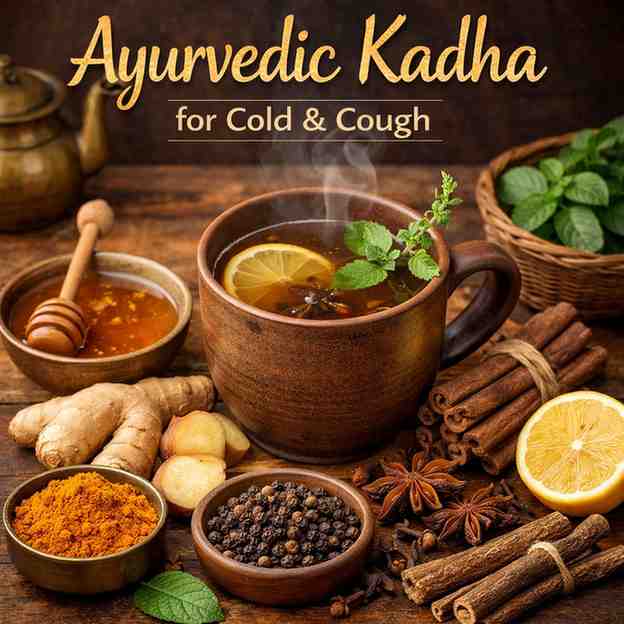
Second, herbal teas provide one of the easiest ways to consume Ayurvedic herbs. For example, individuals can prepare herbal tea using tulsi, ginger, cinnamon, and black pepper. Drinking this tea daily helps strengthen immunity and improve digestion.
Third, many Ayurvedic practitioners recommend consuming Chyawanprash, a traditional herbal formulation made with Amla and other medicinal herbs. Chyawanprash nourishes body tissues, enhances Ojas, and strengthens immunity.
Additionally, individuals can use herbal powders such as Ashwagandha or Amla mixed with warm water or milk. These herbs provide powerful rejuvenating effects when consumed regularly.
Another effective practice includes drinking turmeric milk before bedtime. This traditional Ayurvedic remedy reduces inflammation, improves sleep quality, and supports immune health.
Furthermore, lifestyle habits play a crucial role in immunity. Regular exercise, yoga, meditation, and adequate sleep help maintain hormonal balance and reduce stress.
Stress management remains particularly important because chronic stress weakens immune responses. Adaptogenic herbs such as Ashwagandha and Tulsi help the body adapt to stress more effectively.
Detoxification practices such as drinking warm water, consuming herbal detox drinks, and maintaining proper digestion also support immune strength.
However, individuals should always consult healthcare professionals before starting herbal supplements, especially if they have medical conditions or take medications.
By combining Ayurvedic herbs with a healthy lifestyle, individuals can build strong immunity and maintain long-term wellness.
Frequently Asked Questions About Best Immunity Boosting Herbs in Ayurveda
1. What are the best immunity boosting herbs in Ayurveda?
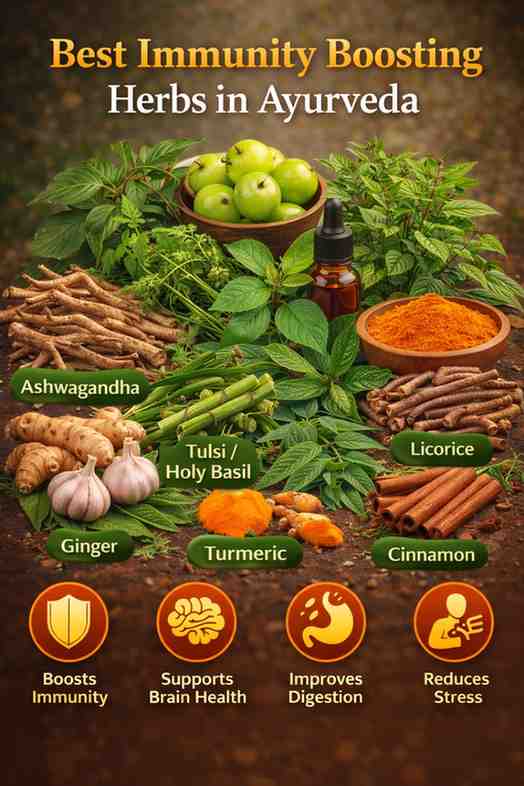
Some of the most effective Ayurvedic herbs for strengthening immunity include Ashwagandha, Tulsi, Giloy, Amla, Turmeric, Neem, Ginger, Garlic, Cinnamon, and Mulethi.
2. How do Ayurvedic herbs improve immunity?
Ayurvedic herbs support immunity by improving digestion, removing toxins, reducing inflammation, and nourishing body tissues, which strengthens the body’s natural defense system.
3. Is Ashwagandha good for immunity?
Yes, Ashwagandha is known for its adaptogenic properties that help reduce stress, balance hormones, and support a healthy immune response.
4. What is the role of Tulsi in boosting immunity?
Tulsi, also known as Holy Basil, has antibacterial, antiviral, and anti-inflammatory properties that help protect the body from infections.
5. How does Giloy help the immune system?
Giloy strengthens immunity by stimulating white blood cell production, reducing inflammation, and protecting the body from infections.
6. Can Ayurvedic herbs prevent seasonal infections?
Yes, regular consumption of certain Ayurvedic herbs may help improve resistance against seasonal infections such as colds, cough, and flu.
7. Are Ayurvedic immunity herbs safe for daily use?
Many Ayurvedic herbs are safe when taken in recommended amounts, but it is advisable to consult a healthcare professional before regular use.
8. How long does it take for Ayurvedic herbs to improve immunity?
Natural herbs often work gradually. Regular use for several weeks along with a healthy lifestyle may help strengthen immunity.
9. Can Ayurvedic herbs help reduce stress?
Yes, many herbs such as Ashwagandha and Tulsi act as adaptogens that help the body manage stress and maintain balance.
10. What lifestyle habits support immunity along with Ayurvedic herbs?
Healthy habits such as balanced nutrition, regular exercise, adequate sleep, and stress management help maximize the benefits of Ayurvedic herbs.
15. Conclusion: Strengthen Your Immunity Naturally with Ayurveda
In today’s fast-paced world, maintaining strong immunity has become more important than ever. Environmental pollution, unhealthy diets, stress, and sedentary lifestyles often weaken the body’s natural defense mechanisms.
Fortunately, Ayurveda offers a holistic approach to strengthening immunity naturally. Instead of relying solely on synthetic medications, Ayurvedic medicine focuses on restoring balance within the body. Many experts recommend the Best Immunity Boosting Herbs in Ayurveda as a natural way to support the body’s defense system.
Ayurvedic herbs such as Ashwagandha, Tulsi, Giloy, Amla, Turmeric, Neem, Ginger, Garlic, Cinnamon, and Black Pepper provide powerful immune-supporting properties. These herbs help improve digestion, support detoxification, manage stress, and nourish body tissues. Because of their wide range of benefits, they are often considered among the Best Immunity Boosting Herbs in Ayurveda for maintaining overall wellness.
Furthermore, these herbs enhance Ojas, the vital essence responsible for immunity and vitality in Ayurvedic philosophy. Strong Ojas allows the body to resist infections and maintain optimal health.
Another advantage of Ayurvedic herbs lies in their natural origin and holistic benefits. These herbs support multiple body systems simultaneously, including the digestive system, respiratory system, nervous system, and immune system.
However, individuals should remember that herbs work best when combined with healthy lifestyle practices. Balanced nutrition, proper sleep, stress management, and regular exercise significantly improve immune health.
Additionally, consistent use of herbal remedies produces better results than occasional use. Ayurveda emphasizes daily routines and long-term wellness rather than quick temporary solutions.
By incorporating the Best Immunity Boosting Herbs in Ayurveda into daily life, individuals can protect themselves from diseases, improve energy levels, and promote overall vitality.
Ultimately, Ayurveda teaches us that true health comes from balance. When the body, mind, and lifestyle remain in harmony, the immune system naturally becomes strong and resilient.
References
- Charaka Samhita – Classical Ayurvedic text on herbal medicine.
- Sushruta Samhita – Ancient Ayurvedic medical treatise.
- Research on Ayurvedic Herbs and Immune Health.
- Traditional Ayurvedic Herbal Medicine Practices.
- https://gurucool.life
- https://shloka.life